
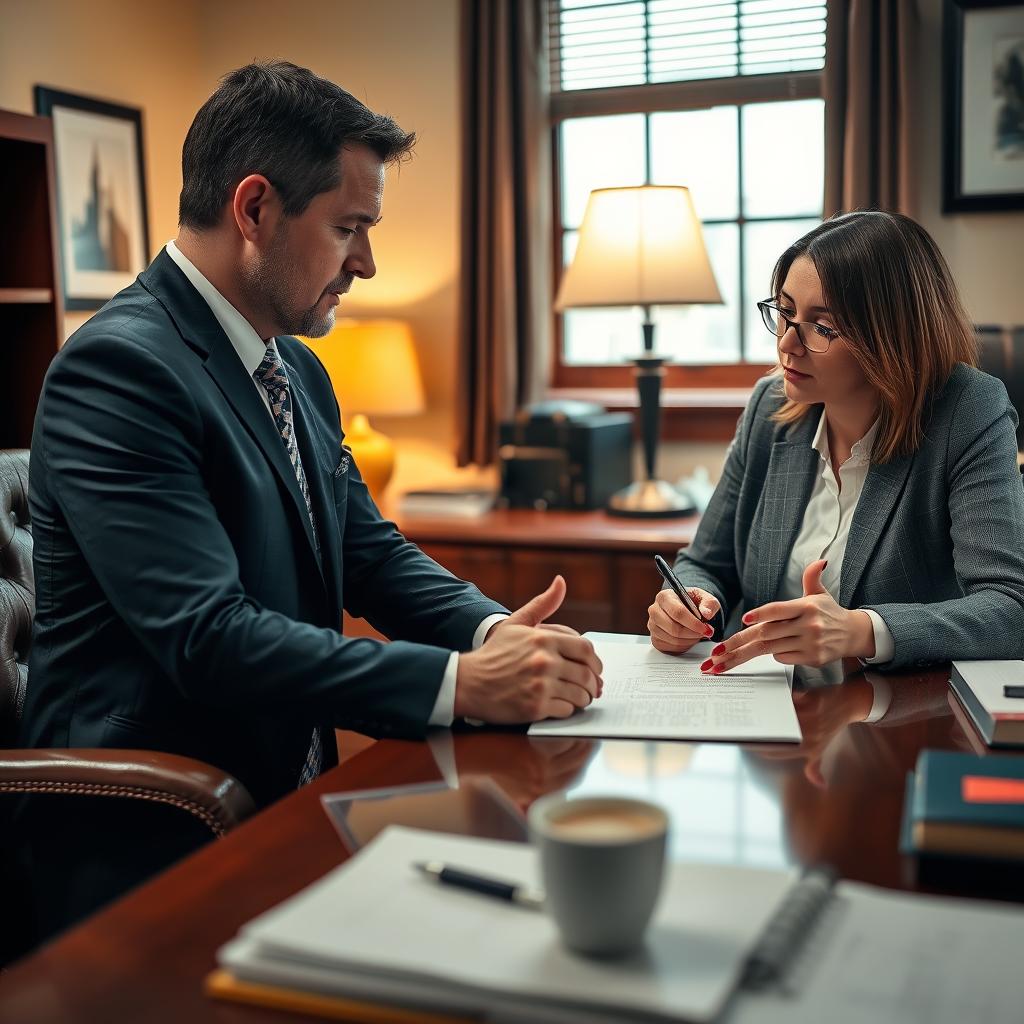
Estate Planning Lawyer in Fairfax, Virginia
Thoughtful estate planning provides clarity and security for you and the people who depend on you. In Fairfax, the process involves drafting wills, trusts, powers of attorney, and advance medical directives that reflect Virginia law and your personal wishes. Working through these decisions can feel overwhelming, but the right guidance helps you make informed choices. Mr. Sris and the firm’s Of Counsel attorneys concentrate their practice on helping individuals and families throughout Fairfax County create estate plans tailored to their circumstances. Whether you need a straightforward will, a revocable living trust to avoid probate, or a comprehensive plan that addresses long-term care and asset protection, the firm’s Fairfax location provides a direct point of contact. You are invited to call (888) 437‑7747 to schedule a consultation. Law Offices Of SRIS, P.C. – Advocacy Without Borders.
What Estate Planning Means in Fairfax
Estate planning is not a single document but a coordinated set of legal instruments. In Fairfax, the probate process is conducted through the Fairfax County Circuit Court, located at 4110 Chain Bridge Road. The Circuit Court’s Probate Division handles the administration of decedents’ estates, including the qualification of executors and administrators, the probate of wills, and matters involving trusts and guardianships. Because Fairfax County is one of Virginia’s most populous and economically dynamic communities, estates presented for probate frequently involve significant assets, closely held business interests, or real property located across multiple jurisdictions. Mr. Sris and the firm’s Of Counsel attorneys understand the procedural expectations of the Fairfax Circuit Court and can guide you through the process.
A durable power of attorney and an advance medical directive are equally important parts of a Fairfax estate plan. These documents address circumstances when you may be unable to manage your own affairs—whether because of illness, injury, or incapacity. Under the Virginia Health Care Decisions Act, an advance directive allows you to name an agent to make health care decisions and to express your preferences regarding life-prolonging treatment. The firm helps clients draft these documents so they align with their overall estate planning goals and comply with Virginia statutory requirements.
Many Fairfax residents also choose to create a revocable living trust. A properly funded trust can keep assets out of probate, provide for a smoother transition of management in the event of incapacity, and protect beneficiaries’ privacy, since trust administration does not generate a public court file. Mr. Sris and the firm’s Of Counsel attorneys routinely assist clients in evaluating whether a trust-based plan is appropriate for their situation, taking into account the nature of their assets, family dynamics, and long‑term objectives.
How Mr. Sris and the Firm’s Of Counsel Attorneys Handle Estate Planning Cases
The firm’s approach begins with a confidential consultation during which you describe your family situation, your assets, and your concerns. The attorney listens carefully and then explains the range of tools available under Virginia law—from simple wills to more sophisticated trust arrangements. Every recommendation is grounded in the client’s specific circumstances; there is no one‑size‑fits‑all solution. The firm’s Of Counsel attorneys work collaboratively with Mr. Sris to ensure that each estate plan is both legally sound and practical to administer.
Once a plan is agreed upon, the firm prepares the necessary documents. This may include a last will and testament, a revocable living trust, a durable general power of attorney, an advance medical directive, and, where appropriate, a pour‑over will to coordinate with the trust. The firm also advises on beneficiary designations for retirement accounts and life insurance policies, because those assets pass outside of probate and must be coordinated with the overall plan. Throughout the drafting process, the attorney remains available to answer questions and make adjustments so the final documents accurately reflect your wishes.
After execution, the firm discusses implementation. For a trust, that means funding—transferring title to real estate, retitling bank and investment accounts, and updating records. For a will, the firm explains where to store the original and how to ensure your executor can locate it when needed. The firm also recommends periodic reviews, particularly when Virginia law changes or when a major life event—marriage, divorce, the birth of a child, or a significant change in assets—occurs.
About Mr. Sris and the Firm’s Of Counsel Attorneys
Mr. Sris is the Owner and Founder of Law Offices Of SRIS, P.C. He has been practicing law since 1997 and is admitted in Virginia, Maryland, the District of Columbia, New Jersey, and New York. His experience includes guiding Fairfax families through the estate planning process with a focus on practical, well‑organized legal structures. Mr. Sris testified before the Virginia House Courts of Justice Committee in support of 2019 HB 635 (chief patron Del. David Bulova).
The firm’s Of Counsel attorneys bring a depth of experience across practice areas that complement estate planning, including real estate, business formation, and tax considerations. Each Of Counsel attorney is an independent practitioner who contracts directly with Law Offices Of SRIS, P.C. Together, Mr. Sris and the firm’s Of Counsel attorneys appear in Fairfax County Circuit Court and other Virginia courts to assist clients with probate, trust administration, and related matters. They emphasize clear communication and a thorough understanding of each client’s goals.
Frequently Asked Questions
Do I need a lawyer to create a will in Virginia?
Virginia law allows you to create a will without a lawyer, but a lawyer can help ensure the document is valid and reflects your true intentions. A will must be in writing, signed by the testator, and witnessed by two competent persons. Many do‑it‑yourself wills fail to meet these formal requirements or contain ambiguous language that leads to disputes. An attorney can also advise on strategies to minimize estate taxes and avoid unintended disinheritance. For a consultation, reach Law Offices Of SRIS, P.C. at (888) 437‑7747.
What is the difference between a revocable living trust and a will in Fairfax?
A revocable living trust can help assets avoid probate, while a will must go through the probate process at the Fairfax County Circuit Court. With a trust, you transfer assets into the trust during your lifetime and name a successor trustee to manage them after your death. Because the trust owns the assets, the court-supervised probate process is not required for those assets. A will, by contrast, directs how probate assets are distributed but requires an executor to be qualified by the Probate Division. Both tools can work together in a comprehensive plan.
How does the probate process work in Fairfax County?
Probate in Fairfax County begins when the named executor or a qualified individual files the original will and a petition with the Probate Division of the Fairfax County Circuit Court. The court reviews the will to ensure it meets statutory requirements and then qualifies the executor by issuing letters testamentary. The executor must then inventory the estate assets, pay debts and taxes, and distribute the remaining property according to the will. For a small estate, an expedited procedure under Virginia Code § 64.2‑601 may be available. The firm’s attorneys can advise on which procedures apply to your situation.
Can I change my estate plan after it is signed?
Yes, you can update your will or trust as long as you remain mentally competent. Changes to a will are typically made through a codicil or by executing a new will that expressly revokes the prior one. A revocable living trust can be amended by a written instrument signed by the settlor. It is wise to review your plan every few years or after major life events. The firm’s Of Counsel attorneys can help draft amendments and ensure they integrate properly with your existing documents.
What advance planning documents are recommended for Fairfax residents?
Most Fairfax residents benefit from having a durable power of attorney, an advance medical directive, and, in some cases, a living will. A durable power of attorney authorizes an agent to handle financial and legal matters if you become incapacitated. An advance medical directive names a health care agent and states your treatment preferences. These documents can help avoid the need for a court‑appointed guardian or conservator, which is more intrusive and expensive. The firm can prepare these documents in coordination with your overall estate plan.
Do I need to consider Virginia’s estate tax?
Virginia does not currently impose a separate state estate tax, but federal estate tax may apply to larger estates. For 2025, the federal estate tax exemption is set at a high level, so most Fairfax estates are not subject to federal estate tax. However, if you own assets in another state that does have an estate tax, your plan may need to account for that. The firm can discuss with you whether your estate is likely to face any tax liability and what steps you can take to manage that liability.
What if I move to or from Virginia after creating my estate plan?
A will or trust executed in another state is generally valid in Virginia if it complies with the laws of the state where it was executed. However, differences in state law—such as rules about spousal elective shares, powers of attorney, or the formalities of execution—may make it advisable to have your documents reviewed by a Virginia‑licensed attorney. The firm can assess your out‑of‑state documents and recommend updates to ensure they achieve your objectives under Virginia law.
Internal‑Link Navigation
Estate Planning Lawyer Fairfax |
Wills Lawyer Fairfax |
Trusts Lawyer Fairfax |
Probate Lawyer Fairfax |
Power of Attorney Lawyer Fairfax
Primary‑Source Authority
Virginia Code Title 13.1 – Business Entities |
SCC Business Entity Filings |
Fairfax County Circuit Court
Attorney advertising. Prior results do not guarantee a similar outcome.
Case results depend on a variety of factors unique to each case.